The sports industry has undergone a seismic shift with the rise of private equity, exemplified by Josh Harris’s Harris Blitzer Sports & Entertainment (HBSE), valued at $14.58 billion. With stakes in the NFL’s Washington Commanders, NBA’s Philadelphia 76ers, NHL’s New Jersey Devils, and Premier League’s Crystal Palace, HBSE has transformed sports ownership into a corporate juggernaut. While this growth suggests prosperity, it raises critical questions about the sustainability of sports franchises under private equity dominance, the impact on fans, and the erosion of sports’ cultural roots. This article examines the risks of private ownership, challenging the narrative of valuation supremacy and highlighting the need for transparency.
The Illusion of Private Valuation Supremacy
Josh Harris argues that sports teams are better valued as private assets, dismissing public offerings due to higher private valuations. However, this stance masks a lack of transparency. Private ownership allows owners to control narratives around team valuations, potentially inflating them without public scrutiny. Unlike public markets, where valuations face investor oversight, private assets can obscure true financial health. Harris’s reference to Madison Square Garden’s lower public valuations highlights a broader issue: private owners avoid the accountability of public markets, prioritizing control over fair valuation. This opacity risks creating a bubble driven by speculation rather than genuine economic value.
The private model also limits fan influence. Public ownership could democratize valuations, aligning team strategies with community interests. By keeping teams private, owners like Harris maintain unchecked power, potentially prioritizing profits over fan loyalty. This lack of transparency undermines the trust between franchises and their communities, threatening the cultural essence of sports.
Private Equity’s Short-Term Motives vs. Long-Term Claims
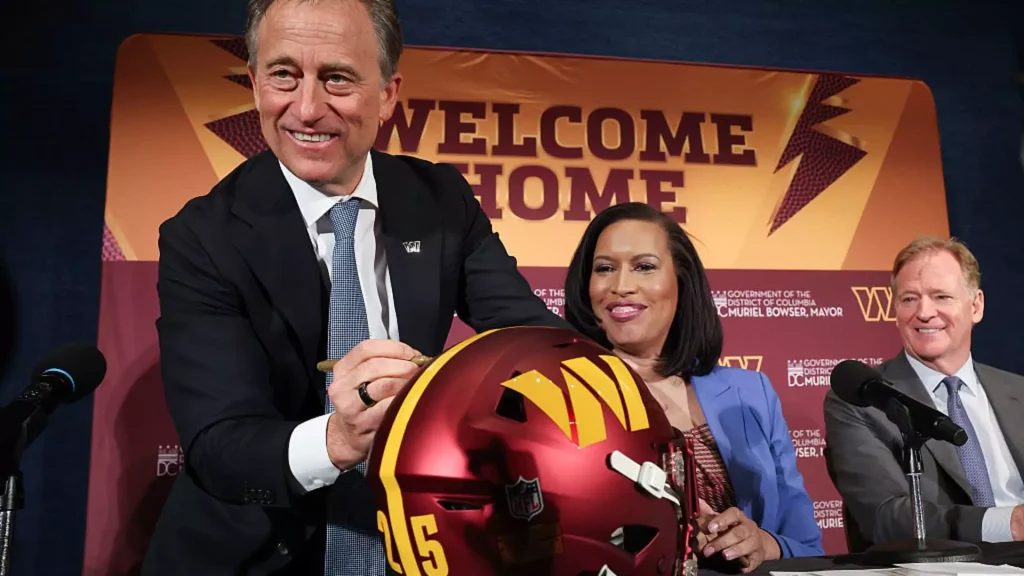
Harris claims private ownership enables long-term growth without the pressures of public market fluctuations. Yet, private equity often prioritizes short-to-medium-term profits, clashing with sports’ community-driven ethos. For example, HBSE’s $3.7 billion relocation of the Washington Commanders prioritizes asset appreciation over fan traditions, risking alienation of local supporters. Such moves reduce teams to investment vehicles, sidelining the emotional and cultural connections that define sports.
Private equity’s focus on profitability can also stifle innovation. Without public market pressure, owners may grow complacent, relying on rising valuations rather than enhancing fan experiences or team performance. This approach contrasts with the community-centric values sports traditionally uphold, raising concerns about the long-term health of franchises under private equity control.
The Market’s Bias: Who Benefits from Private Ownership?
Harris’s assertion that public valuations lag behind private ones benefits owners by reinforcing the status quo. Private ownership shields franchises from market scrutiny, allowing inflated valuations to persist. Public offerings, by contrast, could introduce transparency, temper speculative valuations, and align ownership with fan interests. The current model favors wealthy owners and private equity firms, creating conglomerates that resemble hedge funds more than community assets.
The NFL’s recent approval of private equity stakes, as Harris supports, further commodifies sports. While limited to 10% stakes with no control, these investments could fragment fan loyalty and prioritize financial returns over cultural significance. A public model could balance profitability with accountability, ensuring teams remain tethered to their communities rather than becoming elite assets.
The Future of Sports Ownership: A Looming Bubble
The trajectory of private equity dominance risks turning sports into a speculative bubble. Inflated valuations, driven by media rights and limited team supply, may not reflect sustainable growth. If unchecked, this trend could lead to a sports industry where only the wealthy benefit, eroding accessibility and fan engagement. The NFL’s cautious embrace of private equity, with strict regulations like six-year holding periods, acknowledges these risks but may not fully mitigate them.
A reckoning looms as sports’ cultural role clashes with its financialization. Public ownership could restore balance, fostering transparency and fan-centric governance. Without change, the industry risks becoming a playground for private equity, where valuations soar but community ties weaken. The challenge is to preserve sports’ unifying spirit while navigating economic realities.
Conclusion: Reclaiming Sports’ Cultural Core
Harris Blitzer Sports & Entertainment’s $14.58 billion empire symbolizes the private equity takeover of sports, but its success masks systemic risks. Private ownership’s lack of transparency, inflated valuations, and profit-driven motives threaten the cultural and communal essence of sports. Moves like the Commanders’ relocation highlight the prioritization of financial gain over fan loyalty. As private equity reshapes the industry, a shift toward public ownership could restore accountability and align teams with their communities. The future of sports depends on balancing profitability with its role as a unifying force, ensuring it remains more than a private equity asset class.