ntroduction to the Breakfast Market Transformation
The breakfast segment, a historically lucrative battleground for fast-food chains, is undergoing a seismic transformation. Fast-food giants like McDonald’s, Burger King, and Wendy’s, once dominant in the morning meal market, are losing ground to modern, food-forward convenience stores. These convenience stores are redefining quick, quality breakfasts by offering variety, freshness, and value, appealing to evolving consumer preferences. This article explores the decline of traditional fast-food breakfasts, the rise of convenience stores, and the economic and cultural drivers behind this shift, while examining the future of the breakfast market.
The Decline of Fast-Food Breakfast Dominance
Fast-food chains have long relied on breakfast menus as a cornerstone of their business, with offerings like McDonald’s Egg McMuffin or Wendy’s Breakfast Baconator driving significant morning traffic. However, recent data highlights a stark decline in fast-food breakfast visits, with some regions reporting drops of up to 8.7% in a single quarter. McDonald’s, for example, saw its breakfast traffic share fall from 33.5% in 2019 to just under 30% in 2025, according to industry reports. This decline reflects changing consumer behaviors, driven by economic pressures and shifting perceptions of value.
Economic uncertainty, including inflation and rising menu prices, has pushed consumers toward more cost-effective options. Many now perceive home-prepared breakfasts as cheaper and healthier, reducing reliance on fast-food chains. Fast-food breakfasts, once celebrated for affordability and speed, struggle to maintain appeal as prices climb. Additionally, fast-food chains face challenges in matching the innovations of convenience stores, such as digital ordering kiosks, enhanced drive-thru efficiency, and diversified menus. These factors have eroded the once-unshakable loyalty to fast-food breakfasts, leaving chains scrambling to adapt.
The Rise of Convenience Stores as Breakfast Powerhouses
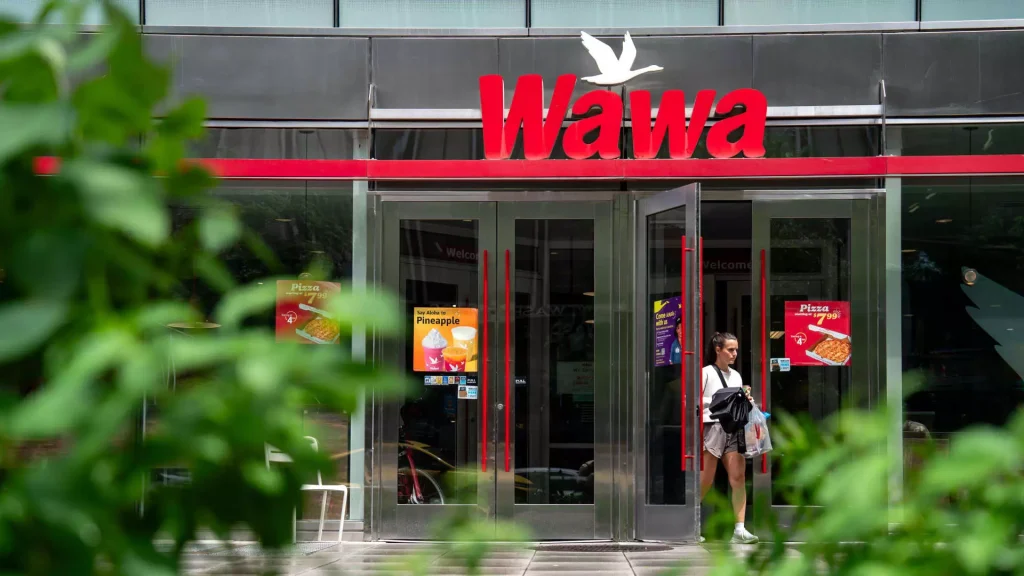
Convenience stores like Wawa, Sheetz, and Buc-ee’s have emerged as formidable competitors in the breakfast market, capitalizing on their ability to offer fresh, made-to-order foods. Unlike traditional gas stations, these modern convenience stores have invested heavily in elevating their food programs, focusing on quality, variety, and creativity. For instance, Wawa’s customer base has grown by over 11% since 2022, driven by its appealing breakfast offerings, including customizable sandwiches, smoothies, and breakfast pizzas.
Convenience stores have gained a competitive edge by combining grocery-like flexibility with quick-service efficiency. Their menus cater to diverse consumer preferences, offering energy drinks, fresh coffee, and wholesome breakfast options at competitive prices. This approach resonates with cost-conscious, time-pressed consumers seeking value and convenience. The perception of higher quality—through fresher ingredients and customizable options—further distinguishes convenience stores from fast-food chains, which often rely on pre-assembled, standardized meals. As a result, convenience stores have seen breakfast traffic surges of nearly 10% in recent quarters, signaling a significant market shift.
Economic and Cultural Drivers of the Breakfast Shift
Several economic and cultural factors are reshaping the breakfast landscape. Rising food prices and a cautious job market have made consumers more mindful of spending, with surveys indicating that nearly 75% of consumers view convenience stores as viable alternatives to fast-food chains for breakfast. Convenience stores offer a “one-stop” experience, combining grocery shopping with quick, high-quality meals, which enhances their perceived value.
Culturally, the growing emphasis on health, wellness, and authenticity has further fueled the shift. Consumers increasingly demand fresh, made-to-order breakfasts that align with their preferences for wholesome, customizable foods. Convenience stores excel in meeting these demands, offering freshly prepared items that contrast with the often pre-packaged offerings of fast-food chains. This focus on quality and flexibility taps into a broader cultural shift toward mindful eating, where breakfast is not just a meal but a reflection of personal values and priorities.
The Future of the Breakfast Market
Fast-food chains are not conceding defeat in the breakfast market. McDonald’s and others are experimenting with strategies to regain traction, including new meal bundles, expanded delivery options, and menu innovations aimed at modern consumers. However, these efforts face significant challenges as convenience stores continue to innovate, incorporating fresh-baked kitchens and broader menu choices. The competition is no longer solely about speed or price but about delivering a superior experience—encompassing quality, health, and value.
The breakfast market of the future will likely be defined by consumer choice, where convenience stores and fast-food chains coexist but cater to distinct needs. Convenience stores are poised to maintain their momentum by offering flexibility and freshness, while fast-food chains must innovate to reclaim their share. For fast-food giants, adaptation is not optional—it’s essential to remain relevant in a consumer-driven era where breakfast reflects broader lifestyle trends.
Conclusion
The breakfast market is at a crossroads, with convenience stores challenging the long-standing dominance of fast-food chains. By prioritizing quality, variety, and value, convenience stores have captured a growing share of morning consumers, while fast-food chains struggle to adapt to changing preferences. As economic and cultural factors continue to shape consumer behavior, the breakfast landscape will evolve, driven by innovation and competition. Whether fast-food chains can stage a comeback or convenience stores solidify their lead remains to be seen, but one thing is clear: breakfast is no longer just a meal—it’s a battleground for consumer loyalty and market relevance.