Introduction to Hertz’s Digital Transformation
The automotive industry is undergoing a profound transformation, with consumer preferences shifting toward digital platforms that prioritize convenience and transparency. Hertz Global Holdings, a legacy car rental company, has responded to this evolving landscape with a groundbreaking partnership to sell pre-owned vehicles through Amazon Autos. Announced in August 2025, this move represents a strategic bet on digital disruption, aiming to leverage Amazon’s vast reach to revitalize Hertz’s used car sales division and diversify revenue streams. This article explores the implications of Hertz’s pivot, its potential to redefine the company’s role in the automotive market, and the challenges it faces in a competitive digital environment.
The Strategic Shift to Digital Sales
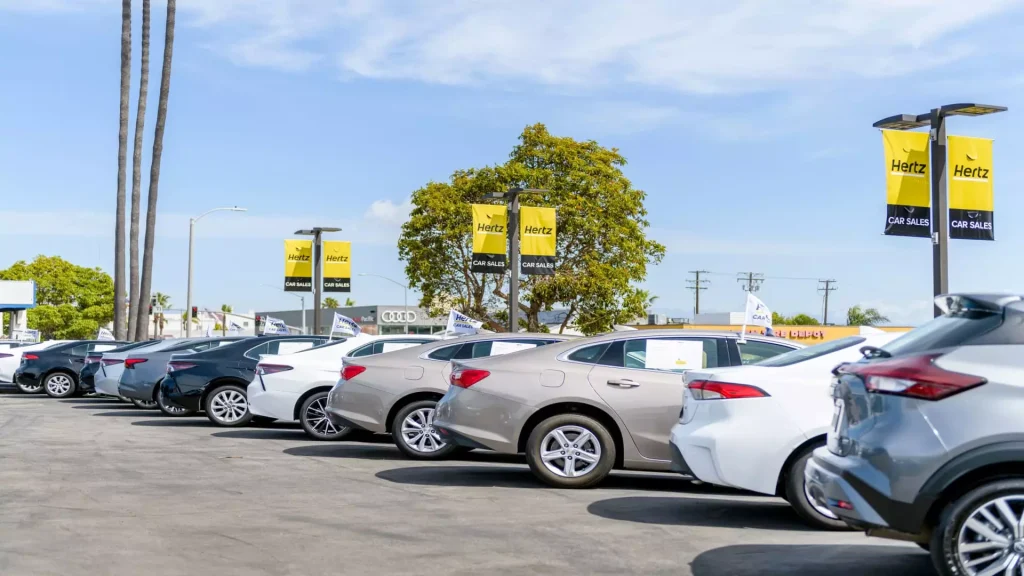
Hertz’s partnership with Amazon Autos allows customers to browse thousands of pre-owned vehicles, complete paperwork digitally, and pick up cars at local Hertz locations. Initially launched in Dallas, Houston, Los Angeles, and Seattle, the program is set to expand to all 45 Hertz Car Sales locations across the U.S. This initiative aligns with Hertz’s “Back-to-Basics Roadmap,” a strategy introduced by CEO Gil West to enhance fleet management, operational efficiency, and retail sales following the company’s 2020 bankruptcy and a failed electric vehicle (EV) push. By integrating with Amazon’s platform, Hertz taps into a digital marketplace where convenience and trust are paramount, catering to tech-savvy consumers who demand seamless online experiences.
The partnership enhances Hertz’s brand visibility, particularly among younger buyers who prefer online shopping. Amazon’s robust logistics and customer engagement infrastructure could reduce sales costs and improve margins, allowing Hertz to reach a broader audience. Each vehicle undergoes a 115-point inspection, comes with a 12-month/12,000-mile warranty, and includes a 7-day/250-mile buy-back guarantee, ensuring transparency and consumer confidence. However, the crowded digital marketplace, with competitors like Carvana and traditional dealerships, poses significant challenges. Hertz must differentiate its offerings to stand out, relying on quality, pricing, and Amazon’s trusted platform to drive sales.
Opportunities and Risks in the Amazon Partnership
The collaboration with Amazon Autos offers Hertz several advantages. First, it provides access to Amazon’s massive customer base, enabling Hertz to reach consumers who might not consider purchasing used rental vehicles. Second, it leverages Amazon’s advanced e-commerce tools, streamlining the car-buying process with digital financing and paperwork. This aligns with industry trends, as online car sales are projected to grow in a market expected to reach $1 trillion by 2030. Hertz’s inventory, including brands like Ford, Toyota, and Chevrolet, adds diversity to Amazon Autos, which previously focused on Hyundai vehicles. This partnership positions Hertz as the first fleet dealer on the platform, potentially setting a precedent for future collaborations.
Despite these opportunities, risks abound. Hertz’s history of operational missteps, including its failed EV strategy and controversial AI-powered vehicle inspection systems, raises concerns about its ability to execute this pivot effectively. Competing in a crowded digital space requires agility and innovation, qualities Hertz has struggled to demonstrate consistently. Additionally, consumer perceptions of used rental vehicles may hinder trust, despite assurances of quality through inspections and warranties. Hertz must navigate these challenges to ensure the partnership translates into sustained profitability rather than a short-term boost.
A Necessary Evolution or a Desperate Move?
Hertz’s move into digital car sales reflects a broader industry shift toward e-commerce, driven by changing consumer habits and the decline of traditional rental models. The pandemic exposed vulnerabilities in the rental car sector, with reduced travel and tourism diminishing demand. By expanding its used car sales through Amazon, Hertz aims to diversify revenue and adapt to a market where digital transactions are becoming the norm. This aligns with a center-right perspective that embraces market-driven innovation as a path to recovery, positioning Hertz to capitalize on the growing demand for pre-owned vehicles amid new car affordability challenges.
However, critics argue that this move may be too late to reverse Hertz’s declining relevance. The company faces intense competition from established online retailers like Carvana, whose shares dropped 4.3% following the partnership announcement, signaling market concerns about heightened competition. Hertz’s ability to redefine its brand as a trusted digital retailer hinges on overcoming its past missteps and delivering a superior customer experience. Failure to do so could relegate Hertz to just another seller in a saturated market, competing on price rather than value or trust.
The Future of Hertz in a Digital Automotive Landscape
Hertz’s partnership with Amazon Autos underscores a critical truth: survival in the automotive industry requires rapid adaptation to consumer preferences for digital convenience. The initiative could mark a renaissance for Hertz, allowing it to transition from a struggling rental giant to a competitive player in digital retail. However, success depends on effective inventory management, competitive pricing, and leveraging Amazon’s platform to build consumer trust. The broader industry is watching, as Hertz’s gamble could inspire other legacy companies to embrace digital transformation.
Looking ahead, Hertz must balance its rental and sales operations while addressing consumer skepticism about used rental vehicles. Innovations like AI-driven inspections, if refined to avoid past controversies, could enhance transparency and quality assurance. The partnership’s expansion to 45 U.S. locations will test Hertz’s scalability and operational efficiency. If successful, this move could redefine Hertz’s role in the automotive market, blending its legacy strengths with modern e-commerce strategies. If not, it risks becoming a fleeting attempt to stay relevant in a rapidly evolving industry.
Conclusion
Hertz’s decision to sell pre-owned vehicles through Amazon Autos is a bold step toward digital transformation, reflecting the automotive industry’s shift toward online sales. By leveraging Amazon’s platform, Hertz aims to enhance visibility, streamline the car-buying process, and diversify revenue in a declining rental market. However, the partnership’s success hinges on overcoming competitive pressures, consumer perceptions, and Hertz’s own operational challenges. As the automotive landscape evolves, Hertz’s pivot exemplifies the innovative, yet risky, strategies legacy companies must adopt to thrive in a digital-first world.