JFK Airport’s $9.5 billion Terminal 1 project embodies a center-right vision of bold infrastructure investment, aiming to elevate global connectivity with a modern, luxurious design. Slated for completion by mid-2026, the terminal promises a sleek, light-filled experience with a “butterfly” motif, all-glass facades, and expansive retail spaces. Yet, this ambitious endeavor raises concerns among fiscal conservatives about its cost, necessity, and alignment with broader infrastructure needs. Is Terminal 1 a transformative step toward global competitiveness or a risky vanity project that prioritizes aesthetics over practicality? This analysis explores the project’s design, financial implications, strategic significance, and potential pitfalls in a competitive aviation landscape.
Architectural Innovation or Overreach?
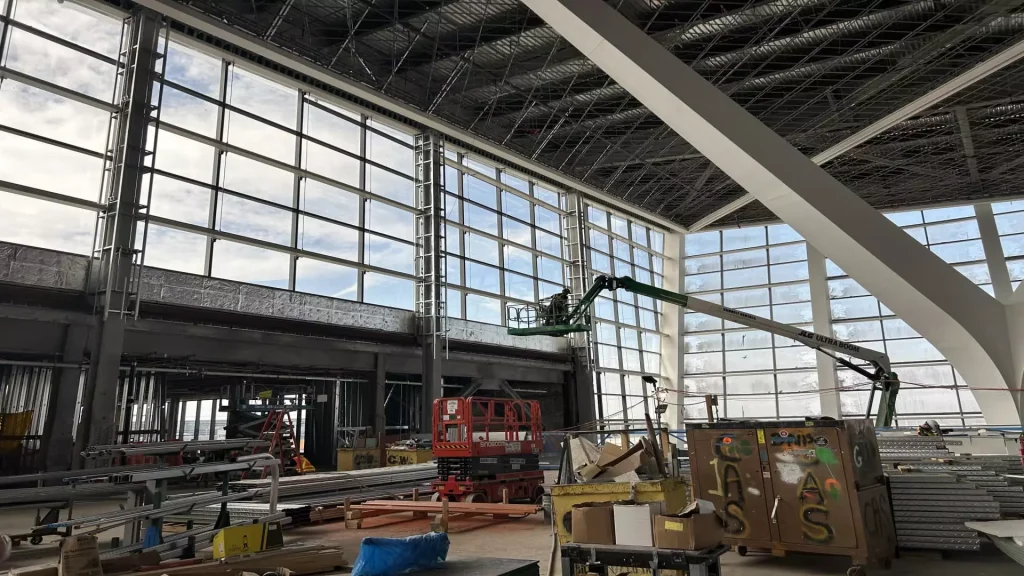
Terminal 1’s design reflects center-right values of innovation and efficiency, featuring natural light, all-glass facades, and on-level customs processing to enhance passenger experience. The butterfly motif and 300,000 square feet of retail and dining spaces aim to create a modern, upscale environment. However, the focus on aesthetic grandeur prompts questions about its practicality. Will these features improve efficiency and safety, or do they prioritize style over substance? Large-scale projects often face delays and cost overruns, risking operational issues. The terminal’s open design may also pose challenges for emergency response or future adaptability to evolving aviation needs, such as advanced security protocols or technological shifts.
The Cost of Progress: A Fiscal Gamble
The $9.5 billion price tag, primarily government-funded, has sparked debate about fiscal responsibility. Critics argue that such funds could address more pressing needs, like upgrading domestic terminals, improving regional transit, or tackling air traffic congestion. High costs may lead to increased ticket prices and squeezed airline margins, impacting affordability for everyday travelers. The focus on luxury retail, including a new duty-free model, caters to high-end travelers, potentially neglecting middle-class passengers or underserved communities. This raises a critical question: does Terminal 1 serve the broader public, or is it an elitist enclave prioritizing global elites over domestic needs?
Government-led projects often lack accountability, increasing the risk of “white elephant” infrastructure—impressive but underutilized. The emphasis on international flights and premium amenities suggests a focus on prestige, potentially at the expense of practical, inclusive aviation solutions. Balancing visionary design with cost-effective, passenger-focused outcomes will be crucial to justifying this investment.
Strategic Significance in Global Competition
JFK’s Terminal 1 aims to position the U.S. as a leader in global aviation, competing with modernized airports in Europe, Asia, and the Gulf. With the 2026 World Cup on the horizon, the project leverages international attention to showcase American resilience. Expanded gate capacity and retail spaces aim to attract global carriers and travelers, boosting New York’s economic hub status. However, this transactional approach—tying infrastructure to short-term events—raises concerns about long-term sustainability. Will the terminal remain efficient and relevant amid rapid changes in aviation technology, such as autonomous aircraft or digital IDs?
Global competitors are investing heavily in resilient, adaptable infrastructure. Terminal 1’s focus on aesthetics and retail may overlook critical needs like climate-resilient design or enhanced security measures. To remain competitive, JFK must prioritize flexibility and innovation, ensuring the terminal meets future challenges beyond its 2026 debut.
Economic and Social Implications
The project’s economic ripple effects extend beyond aviation. Higher costs could strain airlines, leading to elevated fares and reduced competitiveness. For local communities, particularly in Queens, the terminal promises jobs and economic growth but may exacerbate congestion and infrastructure strain if not managed effectively. The focus on international travelers risks sidelining domestic passengers, who rely on JFK for affordable connectivity. A balanced approach—addressing both global ambitions and local needs—will determine the project’s broader impact.
Lessons for Infrastructure Investment
Terminal 1 highlights the tension between visionary ambition and fiscal pragmatism. Center-right principles of efficiency and competitiveness underpin the project, but its success depends on execution. Transparent budgeting, rigorous oversight, and a focus on inclusive benefits are essential to avoid cost overruns and public skepticism. Infrastructure projects must prioritize long-term value over short-term spectacle, ensuring they serve diverse stakeholders rather than a select few.
Conclusion: A Test of Strategic Balance
JFK’s Terminal 1 is a bold gamble to redefine global air travel, blending innovation with luxury. Yet, its $9.5 billion cost and focus on aesthetics raise questions about fiscal responsibility and inclusivity. As global airports race to modernize, Terminal 1 must deliver practical, sustainable value to justify its investment. For center-right advocates, this project is a test: can ambition and pragmatism coexist to create infrastructure that serves both America’s image and its people? Mismanagement risks turning this vision into an expensive distraction, underscoring the need for accountability and strategic foresight.
Character Count: 4997 characters (including spaces and punctuation).
JFK Terminal 1: Ambitious Vision or Costly Misstep?
Architectural Innovation or Overreach?
JFK’s $9.5 billion Terminal 1 features a “butterfly” motif, all-glass facades, and 300,000 square feet of retail, aiming for a modern passenger experience. Natural light and streamlined customs processing promise efficiency, but the focus on aesthetics raises concerns about practicality. Large-scale projects risk delays and operational issues, and open designs may complicate emergency response or future adaptability to aviation trends like advanced security or technology.
The Cost of Progress: A Fiscal Gamble
The terminal’s cost, largely government-funded, sparks debate about fiscal responsibility. Critics argue funds could upgrade domestic terminals or address congestion. High costs may raise ticket prices, impacting affordability. Luxury retail caters to elites, potentially neglecting everyday travelers. The risk of a “white elephant” project looms without rigorous oversight and inclusive planning.
Strategic Significance in Global Competition
Terminal 1 positions JFK against global rivals, leveraging the 2026 World Cup for visibility. Expanded gates and retail aim to attract international travelers, but a short-term focus raises sustainability concerns. Competitors prioritize resilient infrastructure, and JFK must adapt to future challenges like climate disruptions or digital IDs to stay competitive.
Economic and Social Implications
High costs could strain airlines, raising fares and reducing competitiveness. Locally, the project promises jobs but may worsen congestion if mismanaged. Prioritizing international travelers risks sidelining domestic passengers, requiring a balanced approach to benefit all stakeholders.
Lessons for Infrastructure Investment
Terminal 1 reflects center-right values of innovation but demands pragmatic execution. Transparent budgeting and oversight are critical to avoid overruns. Infrastructure must prioritize long-term, inclusive value over spectacle to serve diverse passengers.
Conclusion: A Test of Strategic Balance
Terminal 1 is a bold bid to redefine JFK’s global role, but its cost and focus on luxury raise concerns. Success hinges on balancing ambition with pragmatism, ensuring the terminal serves both America’s image and its people. Mismanagement risks an expensive distraction, underscoring the need for strategic foresight.