Overview of Financial Performance
PepsiCo’s latest quarterly report reveals a company navigating a challenging landscape, balancing modest gains with significant underlying vulnerabilities. Despite surpassing Wall Street’s expectations, the financial figures highlight a troubling reality. Revenue growth crawled at a mere 1%, with organic growth at 2.1%, signaling sluggish momentum despite strategic efforts. The sharp decline in net income—from over $3 billion to under $1.3 billion—exposes turbulence beneath the surface, undermining the company’s optimistic narrative of a rebound. This contrast between reported figures and deeper challenges underscores PepsiCo’s struggle to maintain relevance in a shifting market.
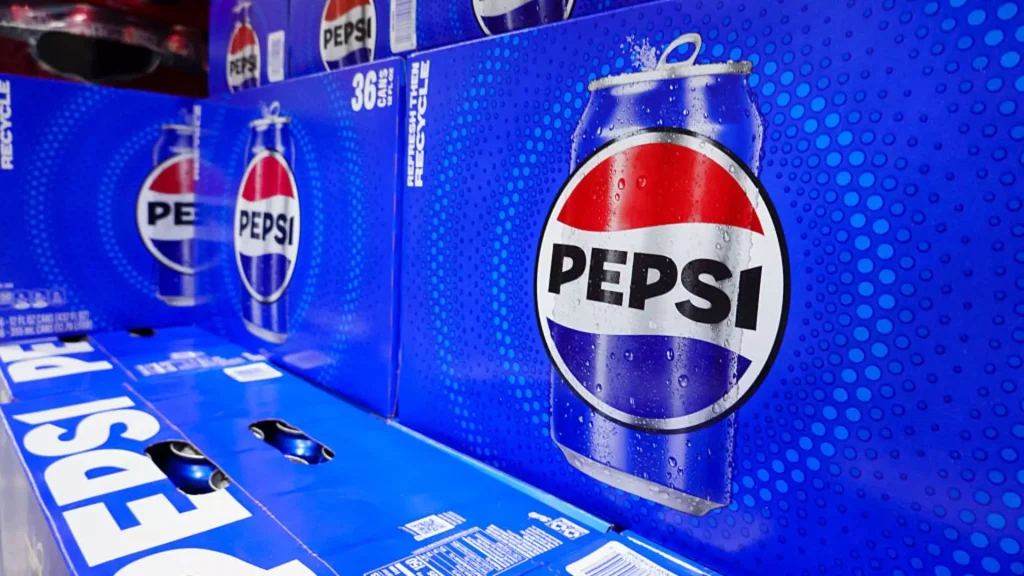
The North American market, a critical segment for PepsiCo, shows clear signs of softening demand. Beverage volumes dropped by 2%, and food volumes fell by 1%, despite efforts to refresh core brands like Lay’s and Tostitos. These declines highlight a disconnect between PepsiCo’s strategic initiatives and evolving consumer preferences. The company’s leadership frames these results as evidence of resilience, but the data suggests otherwise—a company grappling with eroding market share in a competitive, health-conscious environment.
Strategic Shifts: Reactive or Revolutionary?
PepsiCo’s leadership touts a “growth strategy” centered on healthier snacks, multicultural product lines, and relaunched iconic brands. However, these initiatives appear more reactive than revolutionary, addressing symptoms rather than root causes. The push for protein-based products and multicultural offerings acknowledges shifting consumer demographics and preferences, but these moves lack the boldness needed to reverse years of sales erosion. While such strategies may spark temporary consumer interest, they fail to address core issues: declining loyalty and intensifying competition from brands offering innovative, health-focused alternatives.
Cost-cutting measures, such as closing manufacturing plants and optimizing logistics, reflect operational strain rather than strategic confidence. These steps may improve short-term margins, but they resemble band-aid solutions rather than long-term cures. PepsiCo’s cautious approach—prioritizing incremental tweaks over transformative innovation—limits its ability to compete in a dynamic market where competitors are quicker to adapt. The company’s reliance on existing assets and traditional leadership styles further hampers its ability to reclaim market leadership.
Market Reaction and the Illusion of Stability
Despite the lackluster financials, PepsiCo’s stock rose over 6% post-report, driven by macroeconomic optimism and speculation about future rebounds rather than tangible improvements. This market reaction highlights a disconnect between investor sentiment and the company’s operational reality. PepsiCo’s full-year forecasts, projecting flat earnings per share and modest organic revenue growth, reinforce the narrative of a company stuck in a cycle of stagnation. The optimism from executives feels like a carefully crafted illusion, masking the challenges of declining North American volumes and shrinking market share.
The company’s strategic plans, while forward-looking in rhetoric, lack the disruptive innovation needed to secure long-term relevance. PepsiCo’s focus on low single-digit organic growth and operational efficiency reflects a defensive posture, prioritizing stability over bold reinvention. In a market where consumer preferences are shifting toward healthier, more sustainable options, PepsiCo’s incremental approach risks falling short of what’s required to lead rather than follow.
Challenges in a Competitive Landscape
PepsiCo operates in a highly competitive environment where consumer loyalty is increasingly fleeting. The rise of health-conscious eating and drinking habits has intensified pressure on legacy brands like PepsiCo, whose portfolio remains heavily tied to traditional snacks and beverages. Competitors with more agile, innovative offerings are capturing market share, leaving PepsiCo to play catch-up. The company’s attempts to rebrand and relaunch products have yet to resonate deeply with consumers, as evidenced by the persistent volume declines in North America.
Moreover, PepsiCo’s operational challenges—highlighted by plant closures and supply chain optimizations—point to deeper inefficiencies. While these measures may stabilize margins, they do little to address the broader issue of declining consumer engagement. The company’s leadership must confront the reality that superficial changes, such as new packaging or limited product line extensions, are insufficient to regain lost ground in a market that demands authenticity and innovation.
The Path Forward: Bold Innovation or Continued Stagnation?
PepsiCo stands at a crossroads. Its current trajectory—marked by modest growth, reactive strategies, and operational tweaks—suggests a company struggling to adapt to a rapidly evolving market. To break free from stagnation, PepsiCo must embrace bolder innovation, rethinking its product portfolio to align with modern consumer values like health, sustainability, and cultural relevance. This could involve investing in entirely new product categories, forging strategic partnerships, or leveraging data-driven insights to anticipate consumer trends.
The company’s leadership must also challenge its traditional approaches, moving beyond incrementalism to drive meaningful change. While cost-cutting and efficiency improvements are necessary, they must be paired with a proactive vision that positions PepsiCo as a market leader rather than a follower. Without such a shift, PepsiCo risks remaining trapped in a cycle of sluggish performance, unable to fully capitalize on its brand legacy or global reach.
Conclusion
PepsiCo’s recent quarterly report paints a complex picture of a company striving to project confidence while grappling with stagnation. The modest revenue growth, sharp net income decline, and softening North American demand reveal a business struggling to adapt to changing consumer preferences. While leadership emphasizes resilience and strategic progress, the data tells a different story—one of a company clinging to outdated approaches in a fiercely competitive market. For PepsiCo to reclaim its position as an industry leader, it must move beyond reactive tweaks and embrace bold, innovative strategies that resonate with today’s consumers. Without such a transformation, PepsiCo risks falling further behind, unable to escape the shadow of its own legacy.