Introduction to the Luxury Shift in Airlines
The airline industry, grappling with razor-thin profit margins, is increasingly focusing on high-spending frequent flyers to bolster revenue. Alaska Airlines’ recent overhaul of its loyalty program, rebranded as Atmos Rewards, exemplifies this trend, prioritizing premium travelers with exclusive perks and high-cost credit cards. Launched in August 2025, the Atmos Rewards Summit Visa Infinite card, with a $395 annual fee, and elevated elite tiers like Platinum (80,000 points) and Titanium (135,000 points), target wealthy customers. This shift toward luxury, while strategic for profitability, raises concerns about accessibility, potentially transforming air travel into an elite privilege and undermining its role as a democratized mode of transportation.
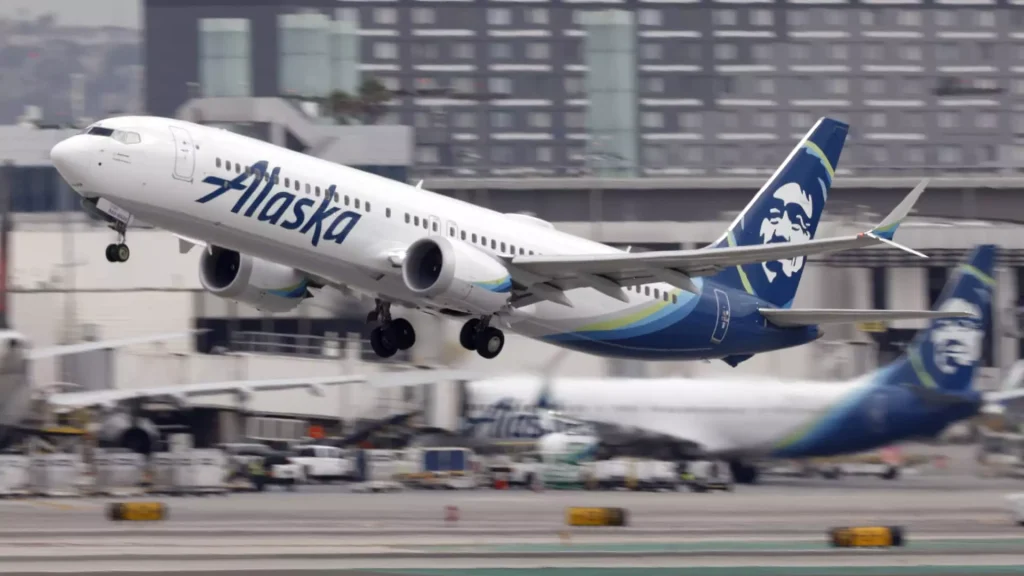
Alaska Airlines’ Strategic Focus on Premium Travelers
Alaska Airlines’ Atmos Rewards program introduces a tiered structure designed to cater to diverse high-value travelers, including international flyers, premium cabin enthusiasts, and frequent short-haul passengers. From 2026, members can choose to earn points based on distance flown, revenue spent, or flight segments, offering flexibility to maximize rewards. The program’s elite tiers—Silver, Gold, Platinum, and Titanium—offer perks like complimentary upgrades, priority boarding, and lounge access, with Titanium members receiving global business class upgrades. These incentives aim to lock in loyalty from high-spending customers who view travel as a status symbol.
The introduction of the Atmos Rewards Summit Visa Infinite card underscores this focus, offering eight lounge passes, complimentary Starlink Wi-Fi, and accelerated point earnings for premium members. Alaska’s investment in specialized lounges at hubs like Seattle and San Diego further enhances the exclusive experience, ensuring premium travelers enjoy seamless, luxurious travel. This strategy reflects a broader industry trend where airlines prioritize high-margin customers to weather economic volatility, as budget travelers are more likely to cut back during downturns.
The Economics of Luxury and Exclusivity
From a business perspective, targeting premium travelers is a logical response to industry challenges. High-spending customers provide stable revenue, immune to economic fluctuations that impact mass-market travelers. Alaska’s elevated point thresholds—80,000 for Platinum and 135,000 for Titanium—intentionally raise the bar for elite status, ensuring exclusivity and incentivizing continuous spending. Complimentary upgrades, lounge access, and in-flight perks like Starlink Wi-Fi are calculated investments to retain these valuable clients, who contribute disproportionately to profits.
However, this focus on luxury risks alienating the broader customer base. The high annual fee of the Summit Visa Infinite card and steep elite tier requirements exclude casual travelers, turning loyalty into a currency only the wealthy can afford. This commodification of status transforms travel from a shared experience into a stratified one, where premium cabins and exclusive lounges cater to an elite minority. As airlines like Alaska compete for high-spenders, they risk creating a two-tier system that marginalizes those for whom travel is a necessity, not a luxury.
Socio-Economic Implications of the Luxury Trend
The pivot toward luxury raises profound questions about fairness and accessibility in air travel. By prioritizing premium travelers, airlines like Alaska are fostering an insider economy where only those who can afford high fees and frequent flights enjoy the full benefits of travel. Surveys suggest that many consumers already view air travel as increasingly unaffordable, with premium perks like lounge access and Wi-Fi reserved for elite tiers. This trend risks hollowing out the egalitarian ethos of air travel, once seen as a means of connecting people across socio-economic lines.
Moreover, the industry’s arms race for differentiation—through higher fees, exclusive lounges, and advanced technology—could suppress overall demand. As budget carriers also move upmarket with their own premium offerings, the market may become saturated with high-cost options, deterring price-sensitive travelers. This could lead to stagnation, threatening the long-term health of the airline industry. The paradox is clear: while luxury strategies boost short-term revenue, they risk alienating the mass market that sustains core operations.
The Future of Air Travel: Privilege or Connection?
Alaska Airlines’ luxury-focused strategy is a microcosm of broader industry trends. Competitors like American and United are also investing in premium cabins and loyalty perks to capture high-spending travelers. However, this race toward exclusivity may backfire if it erodes the accessibility that has historically defined air travel. To remain sustainable, airlines must balance premium offerings with affordable options, ensuring travel remains inclusive. Alaska’s flexible earning schemes and lounge investments are innovative, but their success depends on maintaining a broad customer base.
Looking ahead, the industry faces a reckoning. If airlines continue prioritizing profit over accessibility, they risk transforming travel into a privilege for the elite, alienating millions who rely on affordable flights. Alaska’s Atmos Rewards program, while strategically sound, must navigate this tension to avoid exacerbating socio-economic divides. The future of air travel hinges on whether airlines can innovate without sacrificing their role as connectors of people and places, ensuring the skies remain open to all, not just the privileged few.
Conclusion
Alaska Airlines’ shift toward luxury through the Atmos Rewards program and Summit Visa Infinite card reflects a strategic response to the airline industry’s competitive pressures. By targeting high-spending travelers with exclusive perks and flexible earning options, Alaska aims to secure stable revenue in a volatile market. However, this focus on premium travelers risks alienating casual flyers, raising questions about fairness and the long-term sustainability of a two-tier travel system. As airlines navigate this delicate balance, they must prioritize innovation that enhances accessibility, ensuring air travel remains a democratic means of connection rather than an elite privilege.