Introduction to Hollywood’s Box Office Challenges
Hollywood’s reliance on blockbuster franchises and spectacle-driven films has long been its formula for box office success. However, the summer of 2025, with ticket sales reaching approximately $3.7 billion, reveals a troubling reality: the industry is struggling to sustain audience engagement. Despite a slight increase from the previous year’s $3.67 billion, the numbers mask deeper issues—diminishing returns from franchise films, overreliance on nostalgia, and a failure to adapt to shifting audience preferences. This article examines the shortcomings of Hollywood’s franchise-driven model, the changing dynamics of audience behavior, and the need for a strategic shift toward innovation and originality to revive the box office.
The Limits of Franchise-Driven Blockbusters
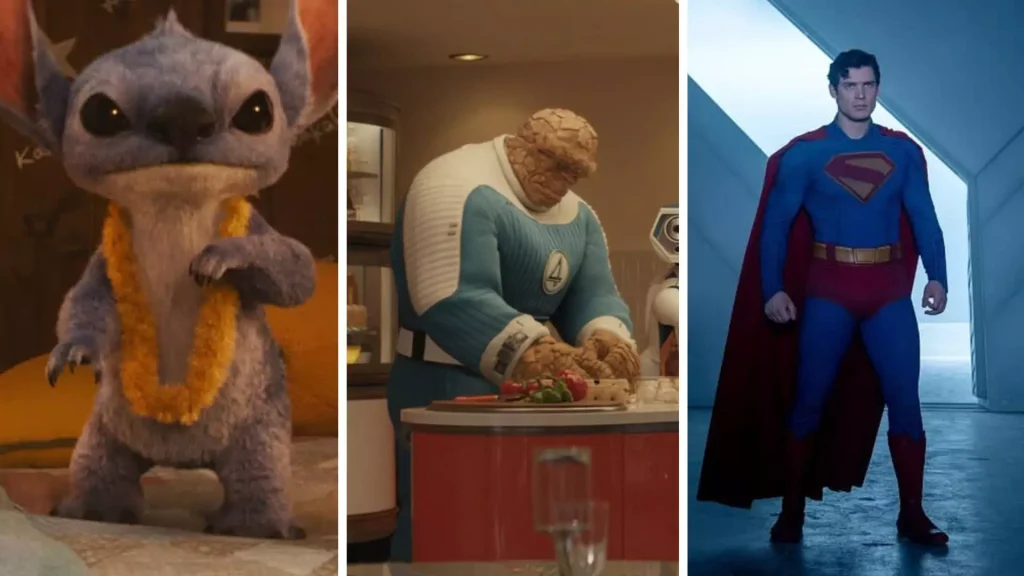
Hollywood’s strategy of prioritizing sequels, remakes, and franchise films is proving unsustainable. This summer’s top-grossing films, including Disney’s Lilo & Stitch remake and a Superman reboot, failed to reach $350 million domestically, a far cry from past blockbusters like Barbie or Top Gun: Maverick, which surpassed $500 million. These underwhelming performances highlight a growing audience fatigue with recycled content. The industry’s assumption that familiar intellectual properties (IPs) guarantee ticket sales is flawed, as diminishing returns reveal a disconnect between studios and audiences craving fresh, authentic storytelling.
The pandemic-era disruption accelerated this trend, exposing the fragility of franchise dependency. High-budget films, often costing hundreds of millions, struggle to justify their investments when audiences reject formulaic narratives. Instead of fostering creativity, studios cling to safe bets, prioritizing short-term profits over long-term cultural relevance. This approach risks alienating viewers who seek meaningful stories that resonate with contemporary issues, rather than repetitive franchise installments or nostalgia-driven remakes.
Shifting Audience Dynamics and Theater Attendance
Audience consumption habits are evolving rapidly, and Hollywood has been slow to respond. Modern viewers increasingly turn to streaming platforms, seeking content that aligns with their desire for convenience and cultural relevance. The theatrical experience, once a cornerstone of entertainment, is now often viewed as secondary or nostalgic. Ticket sales remain volatile, driven by a few high-profile releases amidst prolonged periods of weak performance. Even with upcoming films like Wicked: For Good and Zootopia 2, industry optimism, voiced by executives like AMC’s Adam Aron, overlooks the broader trend of declining theater attendance.
Surveys indicate audiences want stories that reflect their values and experiences, not just spectacle or recycled IPs. Shorter attention spans and the rise of streaming have further eroded the appeal of traditional cinema. Hollywood’s failure to innovate beyond the franchise model risks commodifying its audience, prioritizing predictable revenue over genuine engagement. To reverse this trend, studios must rethink their approach, focusing on diverse narratives and authentic storytelling that resonate with modern viewers.
Economic and Cultural Flaws in Hollywood’s Strategy
Hollywood’s obsession with blockbuster spectacle has created an economic crutch, stifling creativity and innovation. Investing in high-budget franchises is seen as safer than funding original stories, but this mindset fosters a cycle of mediocrity. The industry’s reliance on overseas markets to offset domestic underperformance further complicates its strategy, as global audiences also demand quality and relevance. By prioritizing spectacle over substance, Hollywood alienates its core domestic audience, whose loyalty is critical for sustainable growth.
Culturally, the industry’s focus on nostalgia and franchise films fails to address the demand for diverse, inclusive, and meaningful content. Audiences are drawn to stories that reflect contemporary issues—social, political, or personal—yet studios often opt for predictable narratives that lack depth. This disconnect undermines Hollywood’s ability to cultivate long-term audience loyalty, as viewers seek entertainment that feels authentic and impactful rather than formulaic or exploitative.
The Path Forward: Innovation or Decline?
The upcoming fall and winter seasons, with releases like Zootopia 2 and Avatar: Fire and Ash, will test Hollywood’s ability to adapt. While these films may generate buzz, their success hinges on the industry’s willingness to move beyond franchise reliance. To revive the box office, Hollywood must embrace a paradigm shift: championing new voices, exploring diverse genres, and prioritizing originality over nostalgia. Investing in mid-budget films and innovative storytelling could rekindle audience enthusiasm and rebuild trust in the theatrical experience.
If studios continue to double down on franchises and spectacle, the box office decline will likely accelerate. The industry must acknowledge its limitations and adapt to changing consumption habits. By fostering creativity and aligning with audience expectations, Hollywood can create a sustainable future that balances commercial success with cultural relevance. The alternative—clinging to outdated strategies—risks further disconnecting the industry from its audience, dimming the prospects of a true box office resurgence.
Conclusion
Hollywood’s box office challenges stem from its overreliance on franchise films and spectacle, which fail to meet the evolving demands of modern audiences. The summer 2025 season, while showing a slight uptick in ticket sales, underscores the limits of this approach. To reignite audience engagement, Hollywood must prioritize originality, diversity, and cultural relevance over recycled IPs and nostalgia. The industry stands at a crossroads: embrace innovation to rebuild trust and relevance, or risk further decline by clinging to an unsustainable model. The future of cinema depends on Hollywood’s ability to adapt and deliver stories that resonate with today’s audiences.