For over five decades, Southwest Airlines has stood out in the fiercely competitive airline industry with its iconic open seating policy. While competitors embraced assigned seating to boost revenue and streamline boarding, Southwest championed simplicity, speed, and customer choice. This open boarding approach created a fun, spontaneous vibe, building camaraderie among passengers and solidifying Southwest’s image as the go-to low-cost carrier focused on hassle-free travel.
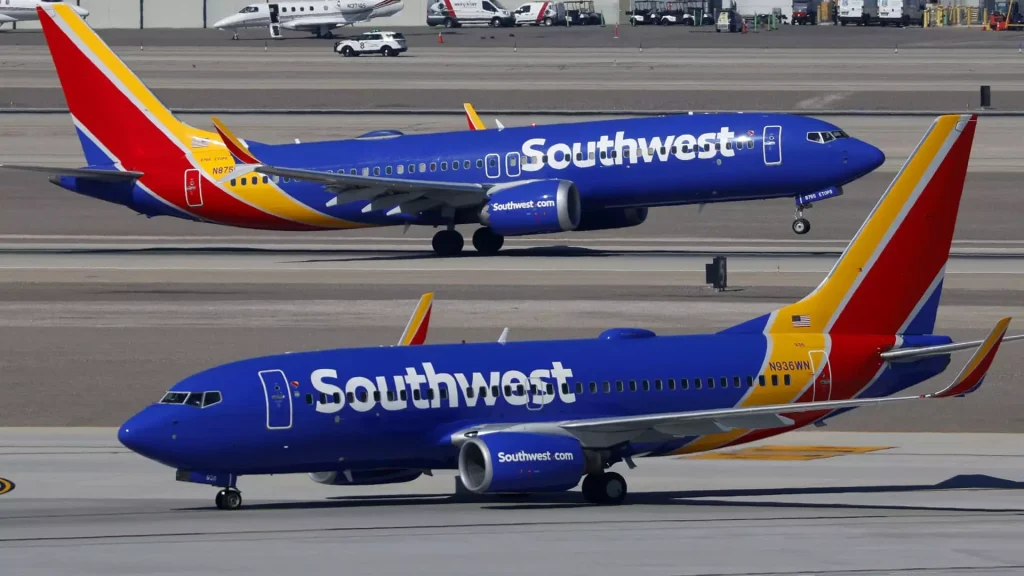
Yet, this hallmark is undergoing a seismic change. Beginning January 27, Southwest Airlines will introduce assigned seating, a move that feels like a betrayal to fans of its egalitarian ethos. Announced in recent months, this transformation aims to modernize operations but risks eroding the loyalty of its core customers. It reflects a wider airline industry trend where profitability trumps tradition, prioritizing revenue optimization over the simplicity that defined Southwest.
Strategic Rationale for the Assigned Seating Overhaul
Southwest’s decision to abandon open seating is driven by aggressive profit goals amid rising competition. The airline forecasts $800 million in additional EBIT this year, scaling to $1.7 billion by 2026. To hit these targets, Southwest is rolling out assigned seating, premium checked bag fees, and tiered fare structures—key elements of a revenue management strategy.
The shift isn’t whimsical; it’s about enhancing boarding efficiency, curbing chaos, and maximizing plane turnaround times, crucial for a low-cost airline like Southwest. Stephanie Shafer Modi, Southwest’s director of fares and ancillary products, emphasized rigorous testing to preserve operational speed. Still, skeptics question if assigned seating truly improves the passenger experience or just pads the bottom line, potentially sacrificing customer satisfaction for ancillary revenue.
This policy change aligns Southwest with legacy carriers’ models, introducing seat selection fees and premium options. By monetizing seating preferences, Southwest taps into the booming ancillary revenue stream—think extra-legroom seats for families or groups—while maintaining its no-frills base. However, this could complicate bookings, adding unpredictability to what was once a straightforward process.
The New Boarding Process: Balancing Convenience and Equity?
Gone are the lottery-like open boarding lines (A, B, C groups). In their place, a tiered boarding system based on loyalty status, ticket class, and seat purchases. Elite flyers and premium ticket holders board first, earning perks like window or aisle choices. This rewards frequent Southwest Airlines loyalists but upends the fair-play dynamic that equalized everyone.
For travelers seeking seats together, options include paying for preferred assignments at booking or check-in, echoing industry norms but clashing with Southwest’s free-spirited roots. Keyword-rich concerns arise: Will assigned seating fees alienate budget-conscious families? The opaque pricing—revealed late—might frustrate users, diminishing the customer-friendly appeal.
Moreover, this boarding overhaul could accelerate Southwest’s adaptation to post-pandemic demands, where speed and personalization matter. Yet, it introduces potential bottlenecks if not executed flawlessly, testing the airline’s vaunted efficiency.
Impact on Loyalty, Competition, and Brand Identity
This pivot signals Southwest’s evolution toward hybrid models blending low-cost basics with premium services. Historically, free bags and open seating fostered deep loyalty, differentiating Southwest in a crowded airline market. Now, with assigned seating and tiered perks, a divide emerges: VIP treatment for high-spenders versus basics for others.
In a landscape dominated by ancillary revenues—up 20% industry-wide—Southwest’s move is pragmatic. Competitors like Delta and United thrive on such strategies, offering predictable premium experiences. By adopting assigned seating, Southwest aims to capture more business travelers and families willing to pay for certainty.
But perils loom. Loyalists may feel betrayed, viewing this as corporate greed over customer-centric values. Surveys show 70% of Southwest fans prized open seating for its fun factor; eroding it risks churn to rivals like Spirit or Frontier, who double down on ultra-low fares.
Long-term, this Southwest Airlines transformation tests resilience. Can it boost margins without losing its soul? Leadership bets on yes, citing data-driven insights. Yet, passenger feedback will decide if assigned seating evolves the brand or fractures it.
Broader Industry Reflections
Southwest’s assigned seating saga underscores tensions in aviation: innovation versus heritage. As fuel costs soar and demand fluctuates, carriers must balance profitability with satisfaction. For Southwest, once a disruptor, this is a maturation rite—embracing revenue streams like seat upsells to fund growth.
Critics decry it as homogenization, blurring lines with full-service giants. Proponents hail efficiency gains: faster boarding could shave minutes per flight, compounding savings fleet-wide. Ultimately, success hinges on seamless rollout and transparent communication.
As Southwest Airlines navigates this, watch for adaptations—perhaps hybrid options retaining some open seating charm. The airline industry watches closely; if Southwest thrives, expect copycats. For passengers, it’s a call to adapt: embrace perks or seek purist alternatives.
In sum, assigned seating at Southwest marks a calculated risk, weaving complexity into simplicity’s fabric. Will it propel profits or prompt backlash? Time, and tickets sold, will tell.